The short version
- Choose a flash system based on your real shooting distance, bounce needs, and recycle speed: not just guide number.
- CFexpress Type A cards are a performance upgrade for high-bitrate video and long bursts on compatible Sony bodies.
- A battery adapter can be the difference between “almost got it” and consistent flash output all night.
- A supportive tripod and a smart camera bag protect your kit and improve your hit rate in the field.
- Build an accessory loadout by use case (events, travel, hybrid video) to avoid overspending.
In this article, you will learn how to choose must-have accessories for Sony mirrorless shooters, including flashes, power solutions, memory cards, bags, and tripods. We'll cover what specs actually matter, how to match accessories to your shooting style, and how to avoid common buying mistakes. By the end, you'll understand how to build a reliable, performance-focused kit that keeps up with Sony’s speed and video demands.
Start With Your “Failure Points”: What Accessories Fix First
Speed bottlenecks: buffer, recycle time, and setup
Sony bodies can shoot blistering bursts and high-bitrate video, but your accessories determine whether that performance is usable in the real world. A slow card can stall your camera at the worst moment; a flash that can’t recycle quickly enough turns peak action into “almost.”
Think in terms of bottlenecks: storage write speed, flash recycle time, and how fast you can deploy support. The goal is to reduce friction so the camera can do what you bought it for: capture decisive moments consistently.
Reliability upgrades: power, protection, and carry
Accessories should also reduce the risk of failure. A battery pack for flash use can stabilize output and keep recycle times predictable. A protective bag prevents damage and makes lens changes faster and safer.
Reliability isn’t glamorous, but it’s what separates a hobby kit from a working kit, especially for events, travel, and hybrid photo/video days.
Consistency: light quality and stability
Two things make images feel “pro” faster than almost any camera upgrade: consistent light and stable framing. A capable flash with bounce control can turn mixed indoor lighting into clean, repeatable results. A tripod with a solid head makes long exposures, self-filming, and critical composition dramatically easier.
If you’re shooting people, products, interiors, or video, stability and lighting are the first accessories that pay you back.
On-Camera Flash for Sony: What to Look For
Guide number vs real-world bounce performance
Guide number is useful, but it’s not the whole story. A guide number can look impressive on paper, yet real performance depends on bounce efficiency, head articulation, and how well the flash maintains output shot-to-shot.
If you bounce off ceilings and walls (recommended for natural-looking people photos), prioritize a head that tilts and swivels smoothly and locks firmly. Bounce is where “good enough” flashes start to fall apart, especially in larger venues with high or dark ceilings.
TTL, manual control, and why both matter
TTL metering is ideal when distance changes constantly, events, candid family shoots, run-and-gun portraits. Manual flash power is better when you want repeatability: product work, posed portraits, controlled environments.
The best choice isn’t “TTL or manual.” It’s having a flash that does both well, with intuitive controls so you can switch quickly when the scene changes.
Wireless triggering and multi-light growth
Even if you start with one flash, it’s worth planning for off-camera lighting. A wireless flash trigger workflow lets you move your light off the hot shoe for better shape, depth, and separation.
If you’re not ready for a full multi-light kit, choose a flash that won’t box you in later. Compatibility, reliability, and ease of pairing matter more than exotic features you’ll never use.
Best Sony-Compatible Flashes: Choosing Between Two Strong Options
Sony GN60 Wireless Flash: modern speed and flexibility
If you want a current-generation flash designed to keep pace with modern Sony mirrorless shooting, the Sony GN60 Wireless Flash is built for fast workflows and dependable performance. It’s a strong fit for photographers who bounce frequently and need consistent results across changing distances.
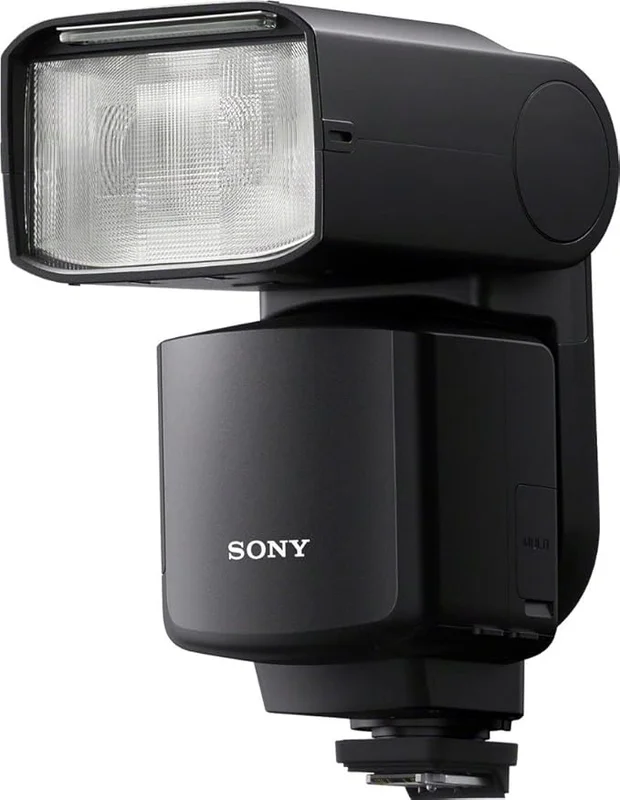
Prioritize this style of flash if you shoot events, portraits, or hybrid coverage where you’re constantly moving. The “must-have” quality here is not just power: it’s responsiveness and control under pressure.
Sony HVLF60M: a proven workhorse for bounce and events
The HVLF60M has earned a reputation as a dependable, high-output option for Sony shooters who rely on bounce flash. If you’re building a kit for weddings, corporate events, or indoor portrait sessions, you want a unit that feels predictable and sturdy in daily use.
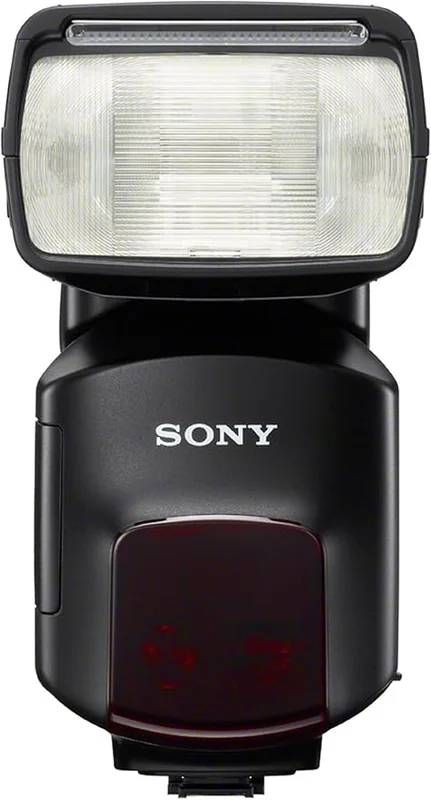
When comparing flashes in the same power class, pay attention to ergonomics and consistency. A flash that’s slightly “older” on paper can still be the right buy if it fits your handling preferences and your shooting rhythm.
When to choose which flash
Choose the GN60-style option if you value newer integration, fast handling, and a modern wireless workflow. Choose the HVLF60M if you want a time-tested unit with strong bounce capability and you’ve confirmed it fits your Sony body and your preferred shooting style.
Either way, your results improve most when you pair the flash with good technique: bounce direction, distance awareness, and exposure control. If you need a refresher, see our lighting hub and practice with consistent settings until the flash becomes second nature.
Power That Keeps Up: External Battery for Flash Work
Why recycle time matters more than you think
Recycle time is the hidden limiter in event photography. You can have perfect focus and timing, but if the flash isn’t ready, you get underexposed frames or missed moments. Faster, more consistent recycle means a higher keeper rate, especially during entrances, first dances, and rapid-fire candids.
This is also about consistency: as batteries drain, many flashes slow down. A dedicated power solution helps keep performance stable deeper into the shoot.
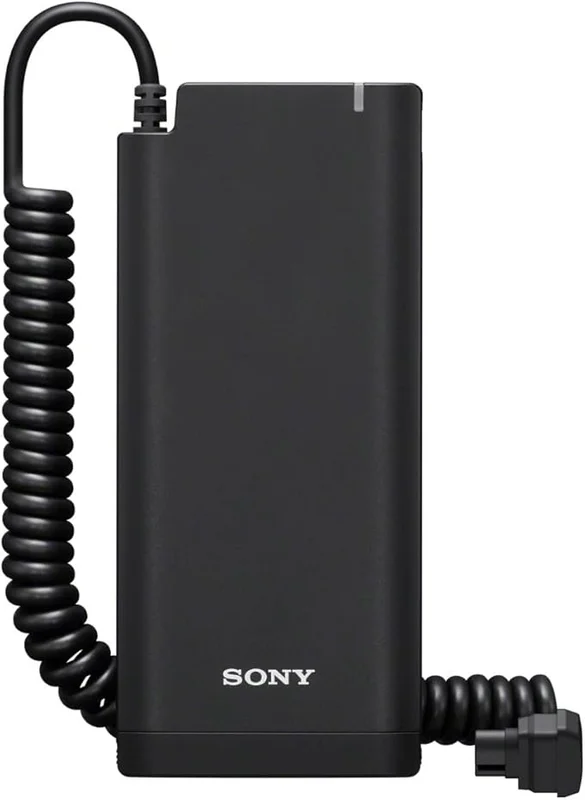
Sony External Battery Adaptor: who needs it most
If you shoot long events, use bounce at moderate-to-high power, or fire frequent bursts, an external battery adapter becomes a “quiet essential.” It’s not the most exciting purchase, but it’s the kind of accessory that makes your lighting feel professional and dependable.
It also helps when you’re working in cold weather, where battery performance can dip and recycle times can become unpredictable.
Practical setup tips for safer, smoother shooting
Route cables so they don’t snag when you rotate the camera, and secure the pack so it doesn’t swing into guests or your own gear. Treat the battery system like part of your camera handling, practice with it before a paid job.
Also remember: faster recycle can tempt you into firing at maximum power constantly. Better technique is to increase ISO slightly, open aperture when appropriate, and bounce efficiently so your flash works less hard per frame.
Memory Cards for Sony Mirrorless: CFexpress Type A Done Right
When CFexpress Type A is worth it
CFexpress Type A is a performance tool, not a status symbol. It becomes worth the cost when you routinely hit your camera’s limits: high-bitrate codecs, long continuous bursts, or fast clearing of the buffer between action sequences.
If your shooting includes sports, wildlife, or hybrid video where you can’t afford dropped frames or recording limits, upgrading the card can feel like upgrading the camera.
Understanding sustained write speed and buffer clearing
sustained write speed is what keeps your recording stable and your bursts flowing. Peak speeds are less important than what the card can hold consistently for real-world durations.
buffer behavior matters too: faster media clears the buffer sooner, letting you resume shooting at full speed. That’s a tangible advantage during action sequences where pauses cost you frames.
Sony 160GB CFexpress Type A: a smart capacity for hybrid shooters
A 160GB card is often a sweet spot for hybrid work, enough room for high-quality video clips and stills without swapping constantly. It’s especially useful if you shoot a mix of bursts and video throughout a day and want predictable performance.
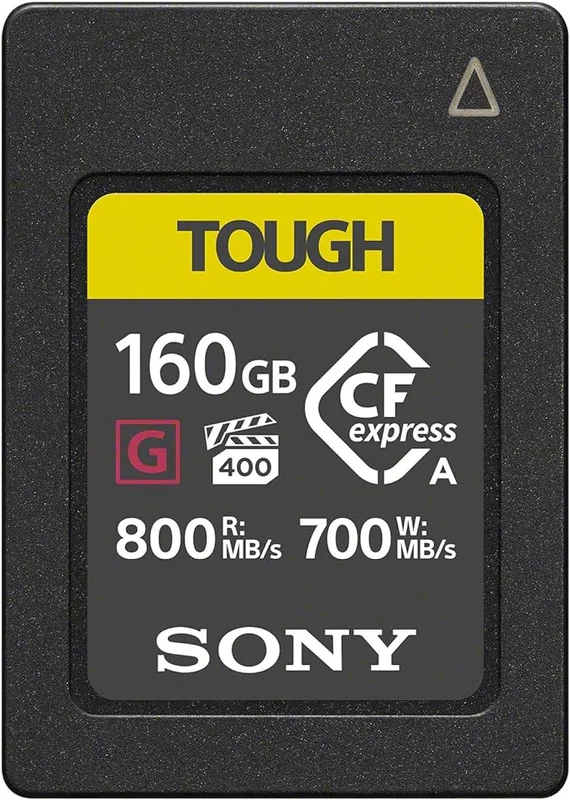
If you’re unsure whether your body benefits, check your camera’s supported media and recording modes, then match the card to your highest-demand use case rather than your average day.
Carry and Protect: Bags That Make You Faster (Not Just Organized)
What a good camera bag actually changes on a shoot
A good bag is less about storage and more about speed and protection. It keeps your kit accessible, reduces the chance of drops during lens changes, and makes it easier to move through crowds or tight spaces without bumping gear.
Look for rigid structure, smart dividers, comfortable straps, and quick access points that match how you work, side access for run-and-gun, top access for quick lens swaps, or modular compartments for hybrid kits.
Manfrotto PRO Light Multiloader: modular carry for Sony kits
The Manfrotto PRO Light Multiloader is designed around flexibility, useful for Sony shooters who switch between photo and video configurations. If your kit changes from “one body, two lenses” to “body, zoom, prime, mic, small light,” modularity keeps you from fighting your bag.
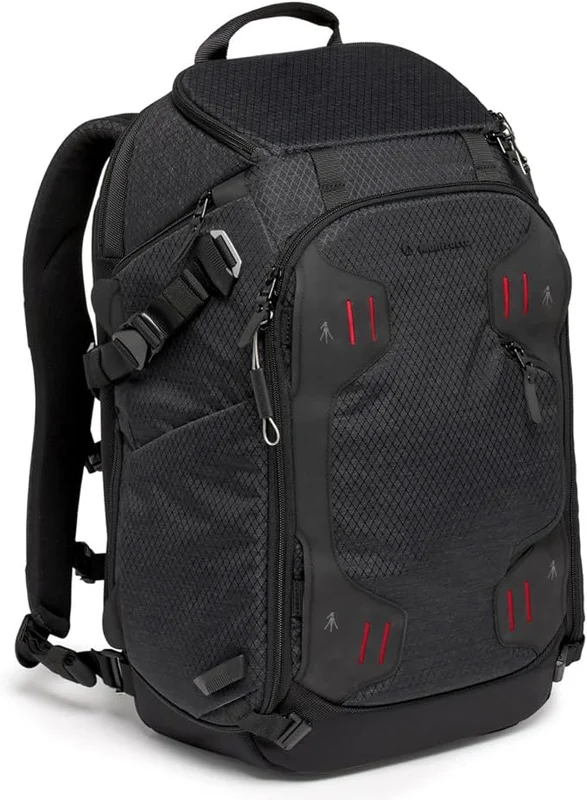
It’s also a strong fit if you travel or work events and need a bag that protects gear while staying manageable in crowded environments.
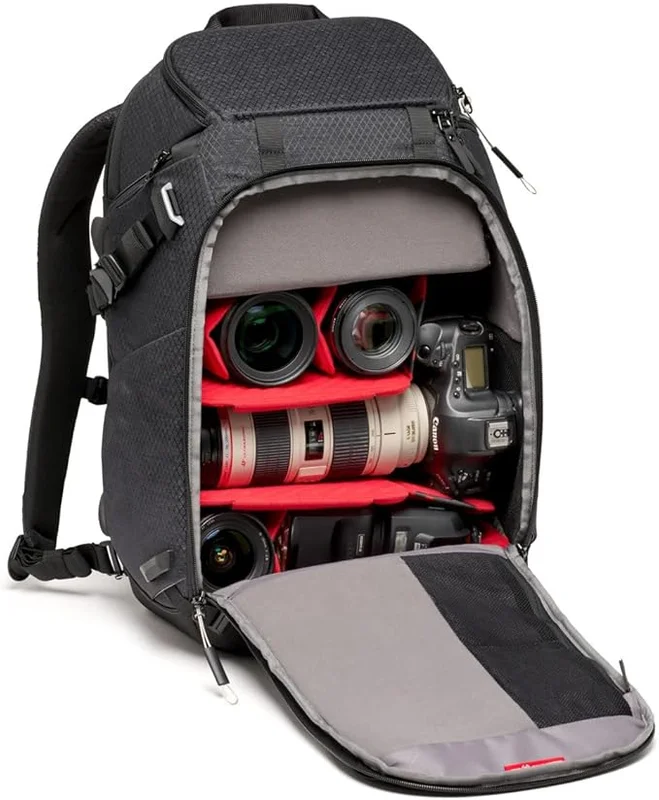
How to pack for balance, speed, and safety
Pack heavier items (body + main zoom) near your back for comfort and stability. Put frequently used items (spare battery, card wallet, flash diffuser) in consistent pockets so your hands find them without looking.
Finally, don’t overpack. A bag that’s always stuffed slows you down and increases the chance of fumbling gear. Build a “default loadout,” then add specialty items only when the job demands them.
Tripods and Support: The Accessory That Improves Everything
Stability for stills, video, and self-filming
A tripod isn’t just for landscapes. It’s a consistency tool for sharpness, framing, and repeatable shots, product photos, real estate, group portraits, and self-filmed content all get easier with stable support.
Even if you shoot handheld most of the time, having a tripod that’s quick to deploy can save a shoot when light drops, when you need perfect alignment, or when you want to keep ISO lower for cleaner files.
Manfrotto 290 Xtra with 3-way head: practical control for creators
A 3-way head is underrated for photographers and hybrid creators who want precise adjustments without the “flop” feeling some ball heads can have. The Manfrotto 290 Xtra kit is a solid option for controlled work, product shots, interiors, and deliberate compositions where small framing changes matter.
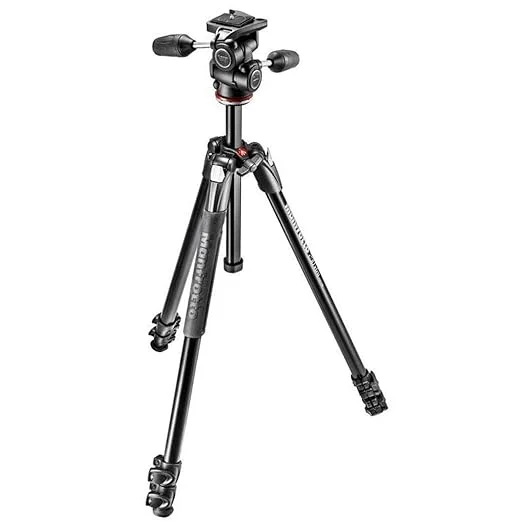
If you’re learning tripod technique, this style of head can make it easier to understand how each axis affects composition, especially when leveling horizons or aligning verticals.
Choosing the right support style for your shooting
Tripods aren’t one-size-fits-all. For a deeper breakdown, use our guide to choosing the right tripod to match height, load capacity, and head type to your real work.
If you’re deciding between portability and maximum stability, our travel vs studio tripod comparison helps clarify the tradeoffs. And if a tripod feels too slow for your style, consider faster alternatives in our monopods and support tools guide.
How to Match Accessories to Sony Shooting Styles (Photo, Video, Hybrid)
Events and portraits: light-first priorities
For people photography, lighting is your biggest multiplier. A capable bounce flash plus reliable power beats almost any other accessory upgrade. Add a bag that keeps your flash accessories and spare batteries instantly reachable, and your workflow becomes calmer and faster.
In this context, prioritize a flash with confident bounce control and a power solution that keeps recycle times consistent across long stretches.
Action and wildlife: speed-first priorities
For action, the key is throughput: fast bursts, fast buffer clearing, and minimal downtime. That’s where high-performance media matters. A CFexpress Type A card can be the difference between catching the peak moment and watching your camera write files.
Also consider support: a tripod can help with long lenses and panning practice, while monopods can reduce fatigue without locking you into one position.
Hybrid creators: consistency across formats
Hybrid work punishes weak links. You might shoot stills, then roll video, then jump back into bursts. A codec choice can push media requirements, while stabilization and framing needs make a tripod more valuable than you expected.
Build a kit that stays consistent across tasks: a dependable bag layout, a card that supports your heaviest video mode, and lighting/power that keeps you from fighting exposure indoors.
Buying Smarter: Specs That Matter (and the Ones That Don’t)
Flash features to prioritize
Prioritize: reliable TTL, easy manual power control, swivel/tilt range for bounce, and consistent recycle behavior. A bounce flash workflow is only as good as the head movement and how quickly you can adjust it.
Don’t overpay for features you won’t use. If you never shoot multi-flash setups, ultra-advanced wireless features may matter less than ergonomics and consistency.
Card specs that translate to real performance
Prioritize sustained write speed and real-world reliability. A V-rating can help for video, but always match the card to your camera’s highest-bitrate mode and your longest expected takes.
Capacity is workflow: larger cards reduce swaps but increase “single point of failure” risk. Many working shooters prefer multiple medium cards rather than one huge card, especially for paid jobs.
Tripod and bag specs that affect daily use
For tripods, load rating isn’t the whole story, torsional rigidity and head quality are what you feel. A 3-way head is excellent for careful framing; a ball head is often faster for general use.
For bags, comfort and access beat raw capacity. If the bag makes you dread carrying your kit, you’ll leave gear behind: or rush and make mistakes.
Complete Shopping Shortlists: Best Picks by Use Case
Best for event photographers (bounce flash + fast recycle)
Events demand speed, consistency, and lighting that adapts instantly as you move between rooms and distances. This shortlist prioritizes powerful on-camera flash and the power solution that keeps recycle times dependable deep into the night.
Best for portraits and small studio setups (control + stability)
Portraits and controlled shoots reward repeatability: consistent light, predictable output, and stable framing. This set emphasizes a proven flash option plus a tripod/head combo that makes precise composition easy.
Best for action and hybrid video (throughput + storage performance)
If you shoot bursts, high-bitrate video, or hybrid coverage, your camera’s speed is only as good as your media. This shortlist focuses on fast, reliable storage plus carry solutions that keep you moving efficiently.
Questions
Do I really need CFexpress Type A, or is SD enough?
SD is enough for many shooters, especially for stills and moderate-bitrate video. CFexpress Type A becomes worth it when you shoot long bursts, need faster buffer clearing, or record high-bitrate modes that push card performance. Check your camera’s supported formats and your most demanding settings before buying.
Which is better for beginners: TTL flash or manual flash?
TTL is usually easier at first because it adapts as your subject distance changes. Manual flash is easier to keep consistent once you understand exposure and want repeatable results. Many photographers use TTL for fast-moving situations and manual for controlled setups.
Is an external battery adapter for flash worth it?
Yes if you shoot events, bounce at higher power, or take lots of flash photos in a row. It can improve recycle consistency and reduce the “waiting on the flash” problem during key moments. For occasional indoor snapshots, spare AA batteries may be enough.
Should I buy a travel tripod or a heavier, more stable one?
Travel tripods are easier to carry but usually sacrifice some stability. Heavier tripods are better for long exposures, wind, and heavier lenses, but you’ll feel the weight. Use your most common shooting scenario to decide, then choose the best compromise you’ll actually bring.
What’s the single most important accessory upgrade for indoor photography?
A capable bounce flash is typically the biggest upgrade for indoor people photography. It lets you control direction and softness of light instead of relying on harsh overhead fixtures. Pair it with good technique and you’ll see a dramatic improvement quickly.
How we researched this
This guide has not been re-checked yet. We are going through every guide, claim by claim, against manufacturer spec sheets and current published sources. When this one is done, the sources it was checked against will be listed here with the date.

Photographer and video producer since 2008, with editorial work for Forbes and the Tribeca Film Festival and brand work for Disney, Apple Pay and Burton. He has shot every Canon 5D, Hasselblad and Phase One medium format, and works on a Sony FX3 today. In Denver he runs the content for UFC lightweight Drew Dober and for Easton Online, a consultancy for gym owners. More about Jeff